
Last Updated on July 21, 2026 by Michelle
Purchasing wheat berries can be surprisingly difficult.
When I started milling my own flour I was very confused. I had such a hard time finding reputable wheat berries that I purchased sketchy bags of grains from e-bay.
Whoops.
Thankfully, you’re not doomed to the fate of random wheat berries from e-bay. (Is that website even still a thing anymore?)
If you’re going to make your own flour, you’re going to need wheat berries.
So, no more gatekeeping. Today I’m walking you through your best (& worst!) options for wheat berries.
Trust me, your bread will improve if the quality of your wheat berries improves.
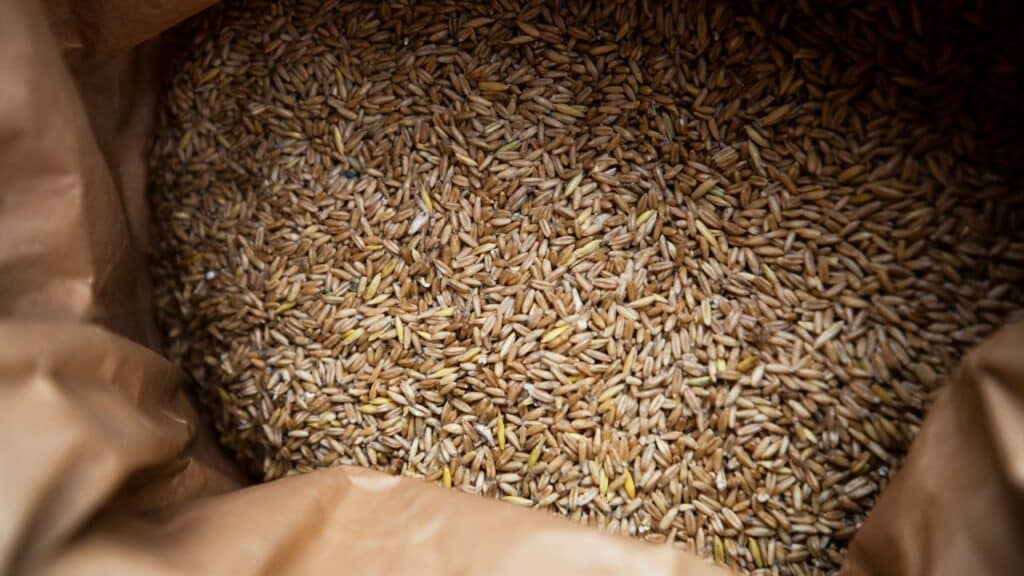
What are wheat berries?
Wheat berries are the whole grain form of flour.
If stored properly, handled correctly, and not milled, wheat berries will last indefinitely, because the oils inside (the only part of the wheat that can go rancid) is locked away under the hard outer layer of the wheat.
Once you mill wheat berries into flour, however, it’s a different story. Flour starts going rancid almost as soon as the oils inside the wheat berry are exposed to oxygen when it’s milled. Which is why I prefer to mill my own flour–it allows me to eat the freshest, most nutritious flour in the world.
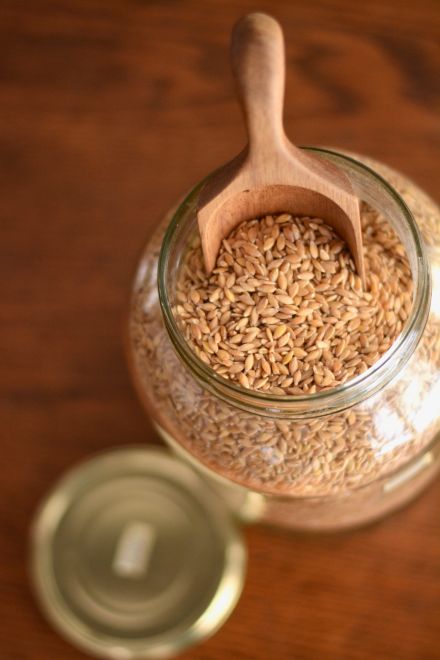
How long do wheat berries last after I purchase them?
Considering that we’ve found viable grains in ancient Egyptian tombs, there’s a good chance the wheat berries you purchase now could easily outlast you.
That being said, it’s ideal to use wheat berries before they’re around 5-10 years old. They loose nutrients over time (although very slowly), which might make your bread not turn out well if you’re using grains older than 10 years.
How should I store wheat berries?
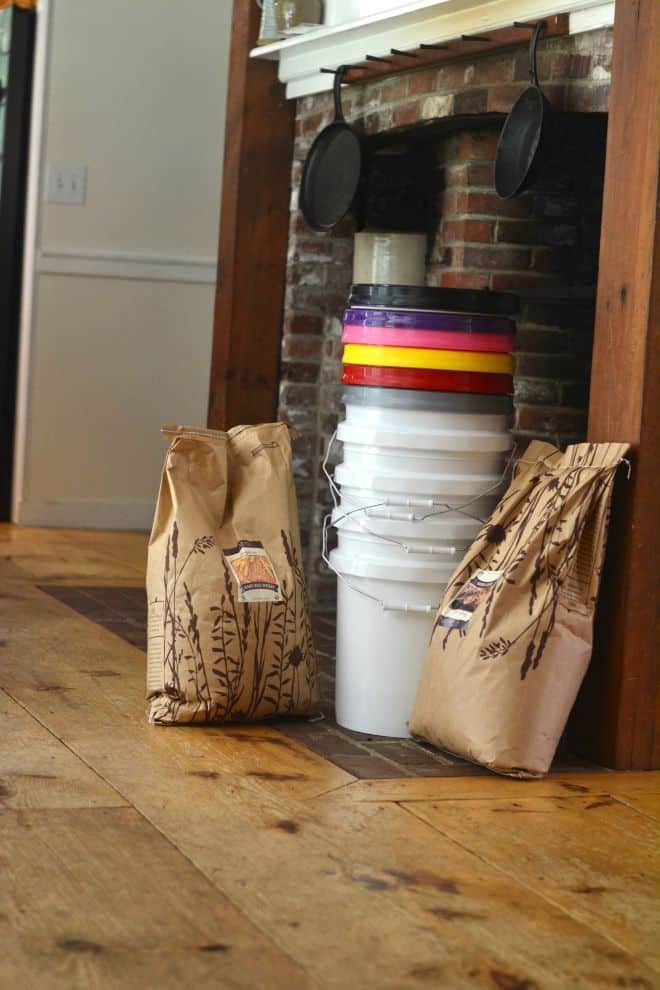
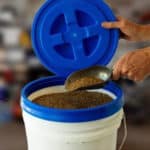
My favorite way to store bulk wheat berries is in 5-gallon buckets in my basement. Make sure the buckets are food grade, opaque, and have well-fitting lids. These lids have served me well for over a decade now, with no pest issues.
Some folks prefer to use Mylar bags with oxygen absorbers, and that works, too. But packing 50-lbs of wheat berries into small bags, just to open them again in a few weeks or months isn’t really my style.
What kinds of wheat berries to buy
There are so many different kinds of wheat berries that it can be very confusing. Here’s a general idea of the different kinds of wheat and their uses. See my full list of favorite grains (and how I use them) here.
Soft wheat
Soft wheat is great for beginner millers to use for pretty much anything other than bread. You won’t want to combine soft wheat with yeast, or anything that needs to develop gluten, as it’s very low in gluten, and your bread won’t rise well. Soft wheat is great for pancakes, cookies, muffins, pastries, brownies, biscuits or any baked good.
Hard wheat
Hard wheat is often sold generically as either “hard red wheat” or “hard white wheat.” They’re both great for making bread, pizza dough, cinnamon rolls, anything that’s a yeast dough needing to develop gluten.
What’s slightly confusing is that “hard white” and “hard red” aren’t exactly kinds of wheat. They’re more of an umbrella term for modern hard wheat varieties. If you want to maximize your family’s nutrition, I highly recommend looking into heritage hard wheats, like Rouge De Bordeaux (hard red), Dakota Snow (hard white), Turkey Red (hard red).
If you want to stick with modern grains, look for companies that label the variety they sell, like this one. Farmers that aren’t transparent about what they’re growing and selling tend to not get my dollars.
Ancient grains
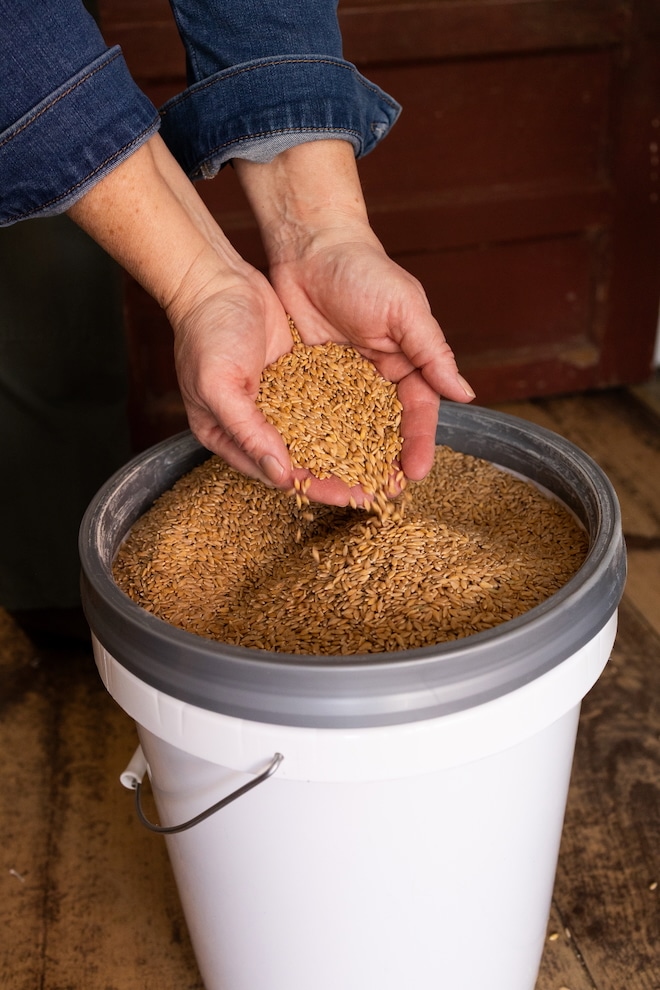
These are, literally, grains that have been around since ancient times. Ancient grains are amazing all-purpose wheat berries that can be used for bread, baked goods, pastries, pretty much anything.
My favorite ancient grains are khorasan (a.k.a. kamut), spelt, einkorn, barley (not good for bread), durum and emmer.
Ancient grains are prize for their nutrition, flavor, and non-hybridized nature.
Alternative grains
I use this term mostly for gluten-free grains good for milling. These would include amaranth, quinoa, buckwheat, millet, and so on. They’re great for gluten-free baking, buckwheat is great for flavorful pancakes, amaranth is great for french toast.
Wheat berries vs. ancient grains vs. heritage grains vs. modern grains
With so many buzzwords, trendy terms, and confusing titles, it can get frustrating. Let’s talk about what these terms actually mean.
Wheat berries is a broad term for pretty much any whole grain.
Ancient grains are varieties of wheat that have been around since ancient times. These were either discovered in tombs or through archeology, and “saved” by growing and saving the seeds.
Heritage grains are varieties of wheat more modern than ancient grains, but untouched by the Green Revolution of the 1960’s, which hybridized and altered almost all varieties of grain.
Modern grains are hybridized, conventional grains grown for large size, quick growing season, and maximum harvests. Not necessarily flavor or nutrition.
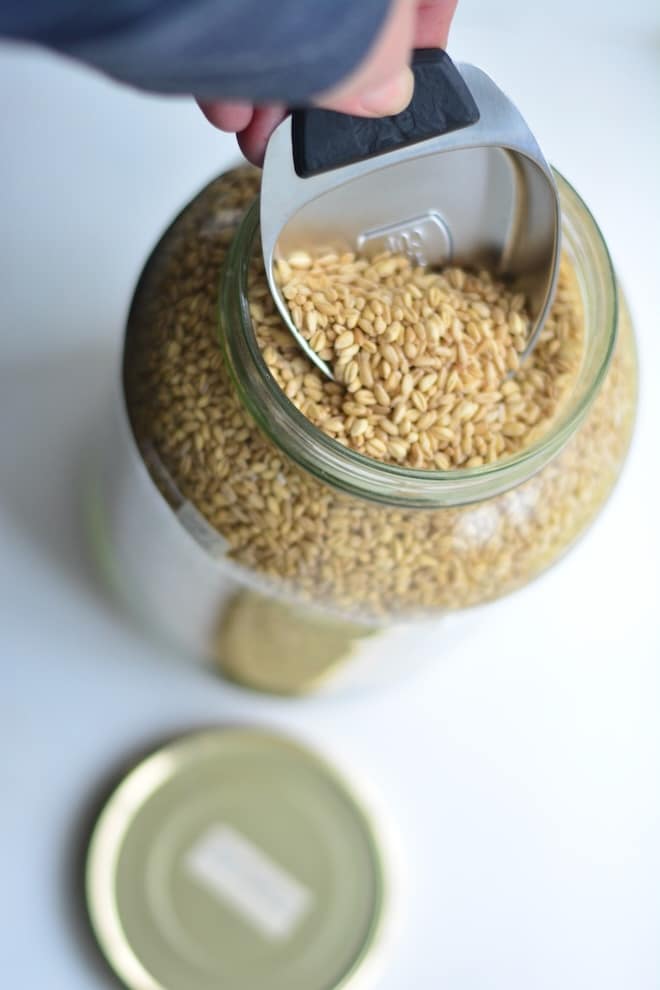
Where to purchase wheat berries for fresh milled flour
There are more options for purchasing wheat berries these days than there were when I started milling 11 years ago. (Thankfully–no more e-bay wheat!) No matter where you choose to purchase wheat berries from, your goal is to buy the highest quality grains you can afford. The better quality your wheat, the better your bread will turn out. These are some things to keep an eye out for:
- Organic. Non-organic wheat berries often contain much higher levels of glyphosate and other pesticides.
- Moisture content. This one often isn’t on the bag, and if you trust your supplier, you’re likely good to go. Ideally, wheat berries are between 10-12% moisture. This is ideal for milling (too moist and the wheat can ruin your mill!), bread baking, and storage.
- Cleanliness. Wheat berries should (for the most part) be free of stones, sticks, and not super dusty. Also make note if most of the wheat berries are in tact, or if there’s a large percentage of cracked/broken kernels. They should be mostly in tact.
- Customer trust & loyalty. Wheat berries that make good bread will have happy, returning customers.
Local producers or bulk food bins
If you have a local wheat farmer, support them! They may not grow ancient grains or trendy varieties, but keeping your food as local as possible is almost always your best option. You can also check your local natural grocery stores (especially if they have bulk bins), as some of them sell wheat berries at a good price.
What I love: easy to restock & supporting local businesses
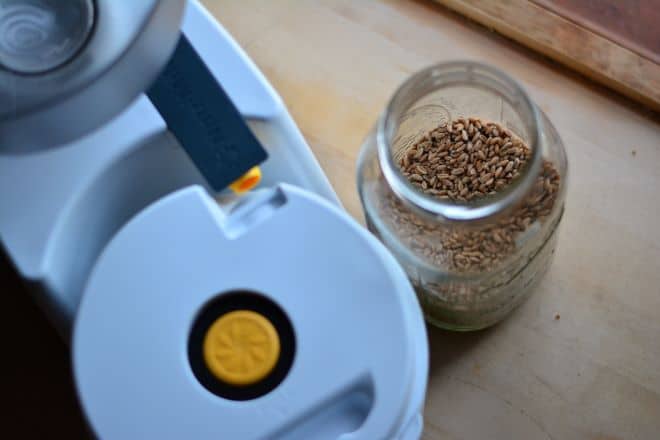
Azure
If you’re looking for the best prices on bulk wheat berries, Azure Standard is for you. They’re a food co-op where you find a local “drop” and pick up your food order once a month. They work closely with organic farmers to get you great deals on bulk grains. If you’re new to Azure, the code “soulyrested” will save you on your first order.
What I love: great prices on bulk grains
Grand Teton Ancient Grains
These guys are my go-to for ancient grains. They only grow organic, regenerative grains–all while taking care of the soil. You can purchase grains in bags to store yourself, or already-stored grains in buckets. Their grains are always clean, dust-free, and the grains never change hands. With these guys, you’re ordering wheat berries from the same people who planted, harvested, cleaned, stored, packaged, and shipped them.
What I love: FREE shipping (if you “fill a box”), farmer-owned, tested to always be glyphosate-free
Guardian Grains
These folks are doing amazing work keeping heritage grains alive. In fact, they sell the only wheat berry I’ll use for bread now–it’s that good! This small, family-owned wheat farm ships directly to their customers–no middle man, at all. Their flat rate shipping keeps your costs low, and they offered my readers a discount with code “soulyrested,” even on bulk orders! Their farming practices are transparent, organic, and regenerative.
What I love: discounts available (code “soulyrested”), heritage grain varieties hard to find anywhere else, bulk pricing, flat rate shipping
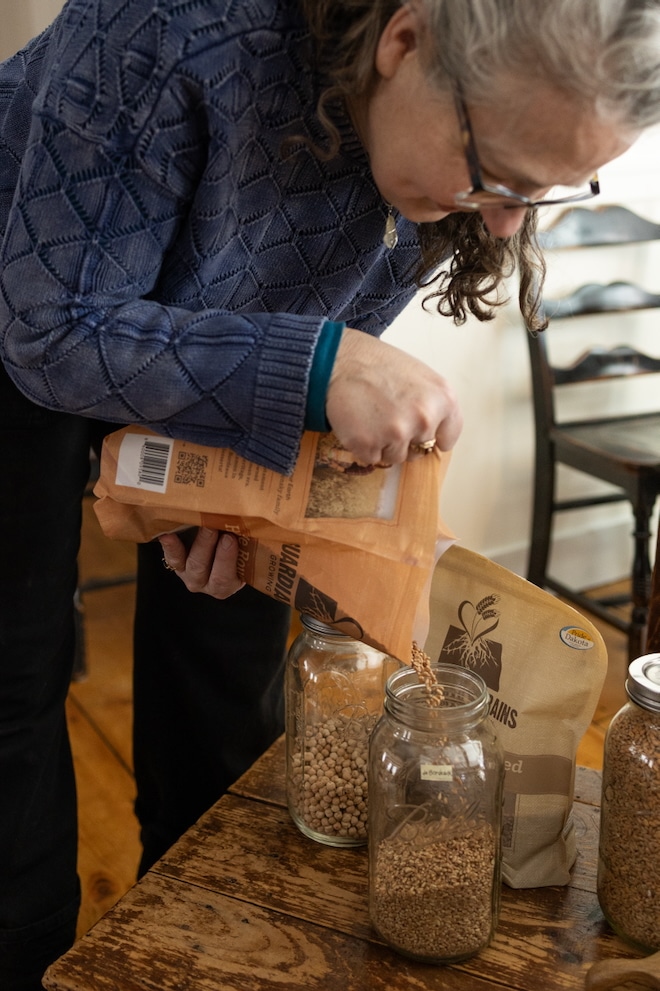
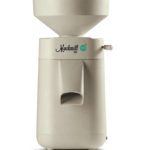
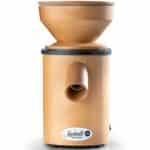
Mockmill & Nutrimill
A decent option, especially if you’re just getting started with milling flour.
Mockmill sells lots of variety of wheat berries, and Nutrimill sells a variety starter pack to get you started–no guesswork.
Amazon
If you’re ordering wheat berries on amazon, be watchful and make sure you’re purchasing from verified, real sellers. Not someone shipping wheat berries from their basement. There are some decent companies selling good grains, though. Like these or these.
Is buying wheat berries in bulk worth it?
Buying wheat berries in bulk is an investment. But it’s so worth it.
Let’s run some numbers, shall we?
Purchasing wheat berries in small quantities not only costs more per pound, but you’ll use them quickly then become frustrated that you’re constantly running out of the grains you need.
One of my favorite benefits of milling my own flour is that I always have un-milled flour on hand in the form of wheat berries.
Purchasing a small bag of Khorasan wheat berries (as an example), I’d spend $6.38 per pound. When I purchase bulk 50-lb bags? My cost goes down to $1.26 per pound.
That’s a savings of $5.15 per pound of wheat berries.
After I’ve used 50 pounds, that means I’ve saved my family $257. Just from buying in bulk. So yes, I’d say buying wheat berries in bulk is definitely worth it.


More like purchasing wheat berries for fresh milled flour:
- Wheat berries: everything you need to know
- The ultimate guide to choosing a grain mill (& 6 questions to ask)
- Why I started milling my own flour
- My wheat berry guide
Thank you for sharing!
How many loaves of bread can you get from a 50 lb bag?
Great question! For an average loaf of bread, it’s usually about a 1-pound loaf and takes probably 2-3 cups of flour, which is (roughly) 1/2 pound of flour? So with 50 pounds of wheat berries = 50 pounds of flour, that’s (with very rough numbers/math) up to 100 loaves of bread per 50-lbs of wheat berries.
Thank you for sharing not only how to do all the things, but for sharing the tools and products you love in order to do all the things successfully! 🙂
Glad you found the info helpful! 🙂
I already shop with Azure Standard. I will look into getting my berries from them. Can’t wait!
I have a MockMill that I’ve not used yet. Now is the time….
Definitely!!! It’s a great mill; you’ll love it.