
Last Updated on July 24, 2026 by Michelle
I kind of hate bread machines. Even with fresh milled flour.
As a newlywed, I was gifted a bread machine.
Knowing very little about real food at the time, I didn’t see the value in homemade bread. As soon as I got fed up with moving the huge, clunky machine around my kitchen, I donated it.
After a while, I started to wonder if I had made a mistake. As I got more interested in the food my family was eating, I started to make my own bread.
But truthfully? I enjoy the process of making bread. Personally, I don’t want to outsource that process to a machine.
However, I can’t ignore the messages. You guys want to know how to use your bread machines with fresh milled flour. And if you’re in a busy stage of life, I don’t blame you at all.
I absolutely utilize machines to make my life easier. In fact, I knead all my bread dough in my heavy-duty mixer. But with you guys in mind, I’ve mastered using fresh milled flour in a bread machine.
What is fresh milled flour?
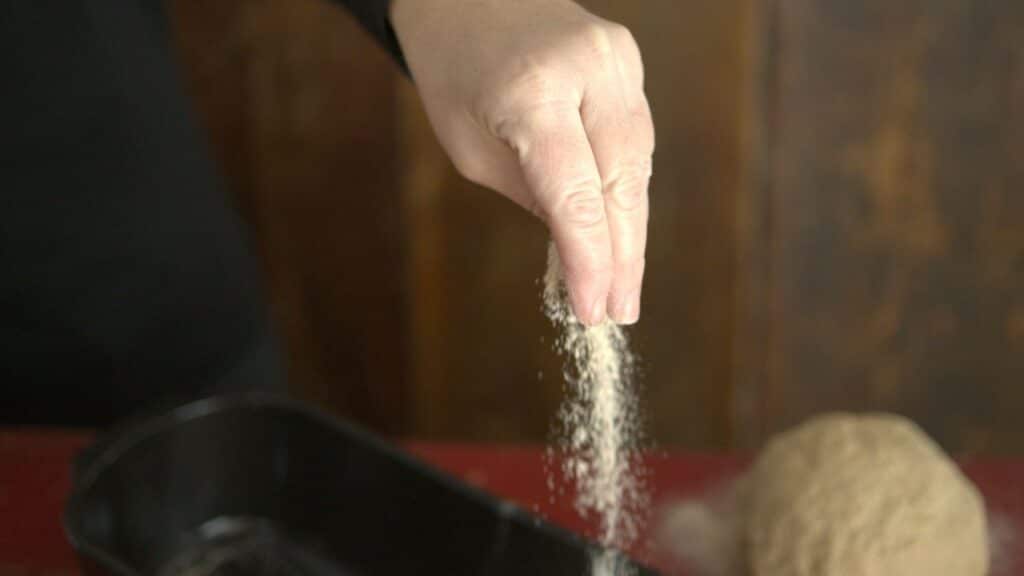
We all know flour is made from wheat. What many folks don’t know is that the flour we buy at the store? Hardly contains any of the real wheat it started out with.
Why is that? Wheat naturally contains oils, which, if left in flour, does rancid quickly. In an effort to make flour last longer on shelves, millers realized if they removed the bran + germ (the parts of the wheat where the oils are) through sifting, the fine, starchy flour that’s left lasts almost forever.
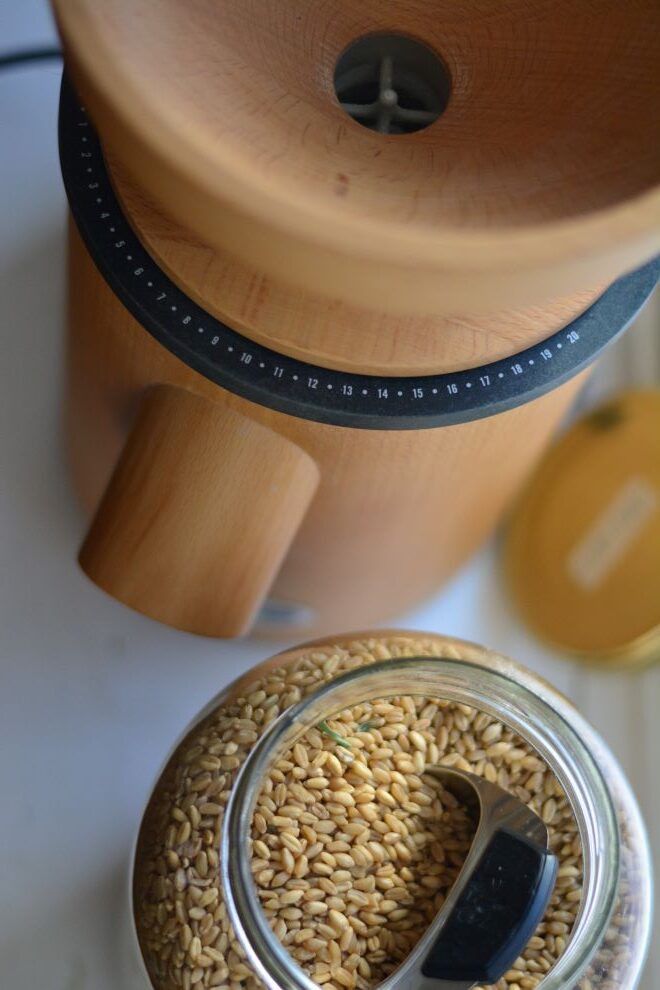
If we want to keep our flour as nutritionally dense as possible, the only real solution is to mill your own.
Not sure where to start milling your own flour? Grab a grain mill (see my recommendations here) and wheat berries (see which ones you need here), and you’re off to a great start.
Why use a bread machine with fresh milled flour?
We’re all busy. And if you’re trying to eat real, whole foods? Your plate is even fuller.
The struggle is real: keeping real, high-quality food on your family’s table, day in and day out. Any machines that help with that are a win in my book. If you’re in the market for a bread machine, I’ve heard great things about this one.
Bread machines offer flexibility–you can use it to just mix and knead your dough, or you’re able to use the bread machine to make bread for you–from raw ingredients all the way to cooked bread.
Use the right bread machine settings.
If your bread machine has it, use the “whole wheat” setting, which usually allows your dough to rest for longer in-between cycles. Sometimes the whole wheat settings will also allow for longer kneading/rise times, which fresh milled flour sometimes needs. If your machine doesn’t have a whole wheat setting, you’ll need to play with the settings manually.
Get the liquid right for fresh milled flour.
If your machine is struggling to knead your fresh milled flour bread dough, try adding a little more liquid to your dough than usual. Doughs made with fresh flour tend to be heavier in general, which requires more of your bread machine motor. In fact, when I started making bread with fresh milled flour, I burned out my Kitchen Aid mixer, and had to upgrade to this bad boy, which is much more powerful.
Adding a little more liquid with create a softer dough and allow your bread machine to actually knead the dough more effectively.
Keep an eye on your fresh milled dough in the bread machine.
Watch the dough carefully throughout the cycle the first few times you use your bread machine with fresh flour. Don’t expect to just set-it-and-forget-it right off the bat.
You’ll need to dial in specifics for your bread machine with fresh flour, but soon enough you’ll be dumping ingredients, pushing a button, and enjoying fresh bread in a few hours, hands-off.
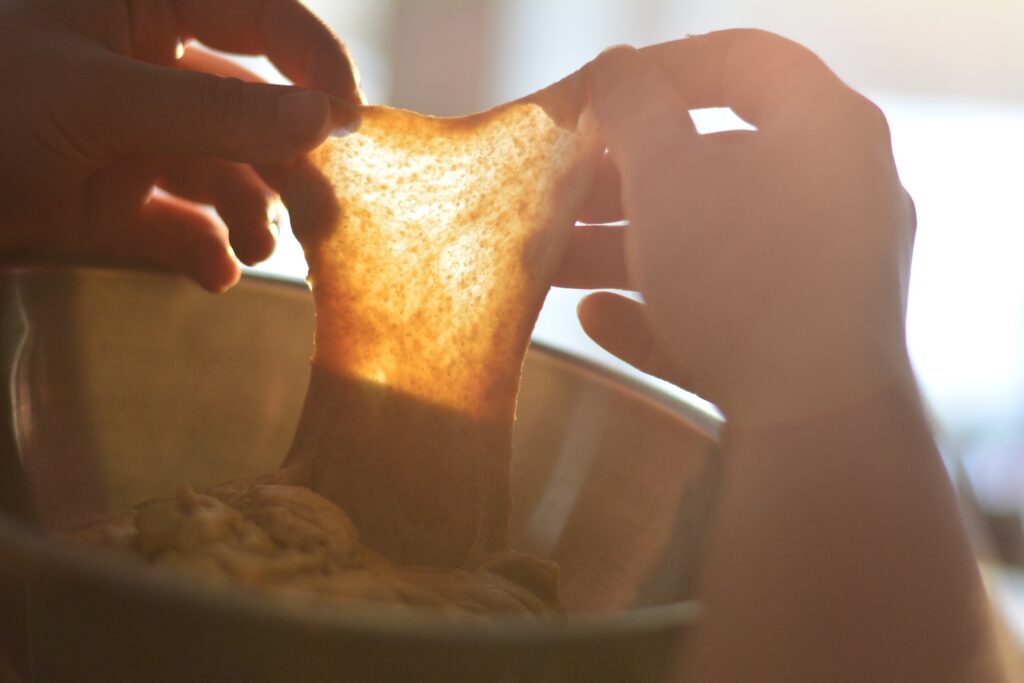
If the dough seems dry, stiff, or crumbly throughout the mixing and kneading process, add water, 1 tablespoon at a time, until the dough is soft and stretchy. Keep notes of how much water you add, so you know for next time.
If the machine bakes your dough before it’s fully rise, keep notes and adjust the settings/rise times.
If the machine doesn’t knead your dough long enough (it should be stretchy!), adjust the kneading times.
Tweak your bread machine to work with fresh flour.
Don’t be afraid to play with the settings on your machine.
Most newer bread machines have a “whole wheat” setting, which usually just makes the kneading time longer. If yours doesn’t have this, try using manual settings and lengthening the kneading time. Fresh flour takes longer to develop gluten, so you’re going to want to add more kneading than typical.
Also play with the ingredients in your dough. If your dough is over proofing in your bread machine, try lowering the amount of yeast in your dough.
Add enhancements for better dough.
If fresh milled bread isn’t turning out well in your bread machine, add vital wheat gluten to your dough or try other mix-ins like egg, fats, or sunflower lecithin. These natural dough enhancers will help “boost” your bread.
I add up to 1 tablespoon of vital wheat gluten per cup of fresh flour used in a bread recipe.
Babysit your bread machine.
Check in on the dough during the mixing and kneading phases, but don’t open the lid during rise times! This can let heat out, deflate the dough, and lead to sad loaves in the end.
Let the fresh flour dough rest.
Try adding a rest period. To do this, mix your flour and water, and allow the machine to mix for 2-3 minutes. Then let that sit for 20-30 minutes. After that, add the rest of your ingredients, mix, knead, and rise as usual.
Don’t overbake.
Stop the baking process 5-10 minutes early if you’re baking your bread in the machine (see next point for the alternative). Leave the loaf sitting in the machine to rest and finish cooking. This will help prevent dried out or crumbly loaves.
If your bread machine has a crust color, you may want to set that to light. Fresh flour bread tends to burn on the top/crusts more quickly than bread made with store flour.
Don’t use the bread machine all the way through.
Use the bread machine as a tool to mix and knead, but shape and bake the loaves by hand. The baking settings on bread machines can be wonky sometimes, and the cooking step seems to cause the most pitfalls for fresh flour bread. If that’s happening to you, consider letting the bread machine do its thing for mixing, kneading, and bulk rising, then take over the rest of the process by hand.
Need a grain mill?
If you want a grain mill but can’t decide which one is best for you, check out my free guide to choosing a grain mill.


More like how to use fresh flour in a bread machine:
- How to use fresh flour in any recipe
- Fluffy 100% whole wheat dinner rolls with fresh milled flour
- Where to purchase wheat berries for fresh milled flour
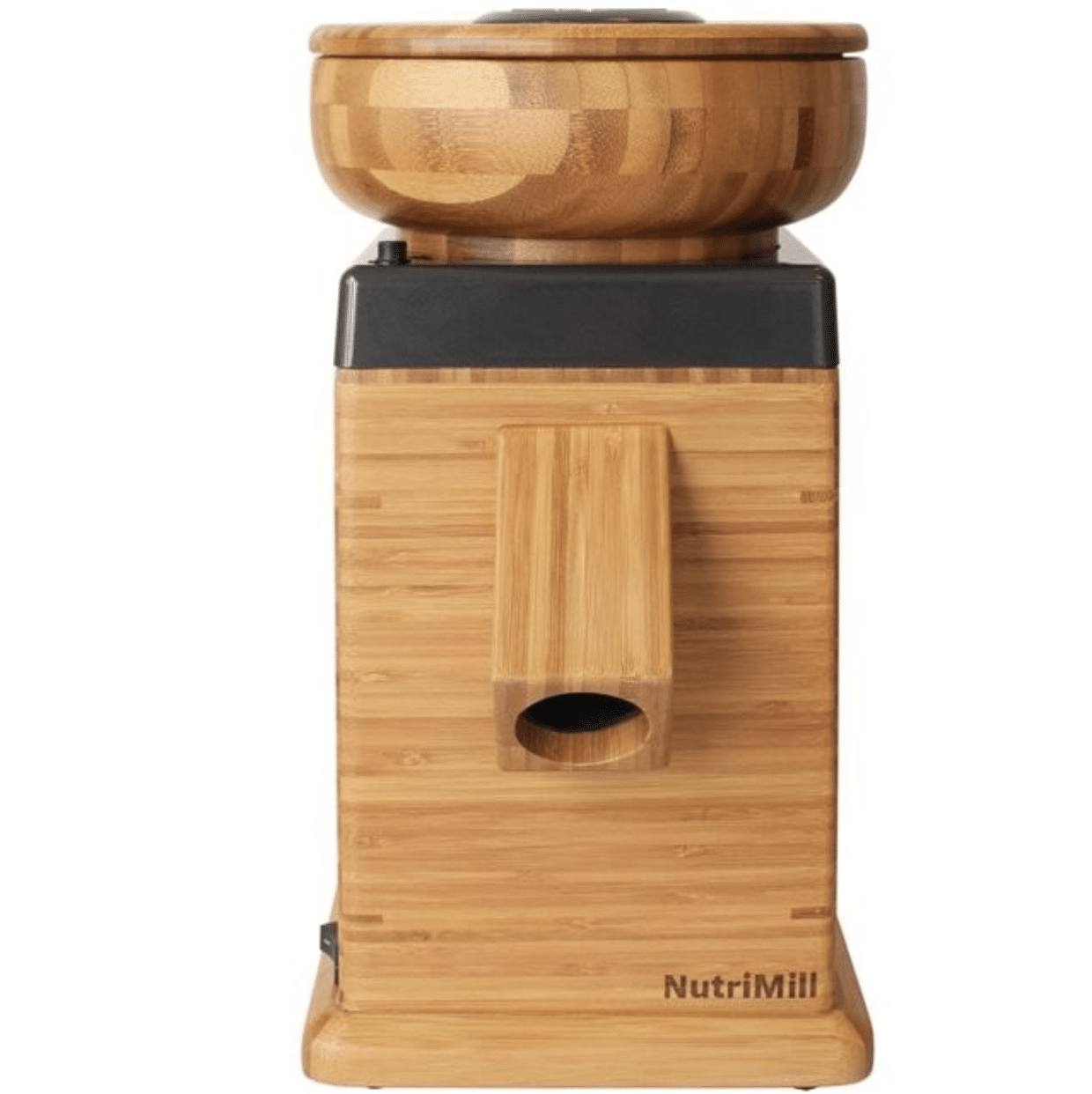
- The ultimate guide to choosing a grain mill (& 6 questions to ask)

I do not have an oven so I must use a bread machine (or maybe my toaster oven) if I want to use fresh flour. I do have a grain mill so this encourages me to move past the single recipe I currently use. Thanks!
oh i’m so glad it helps!!
Great tips! I quit using my bread machine when I started grinding my own flour, but I naught try it again😊