
Last Updated on June 10, 2026 by Michelle
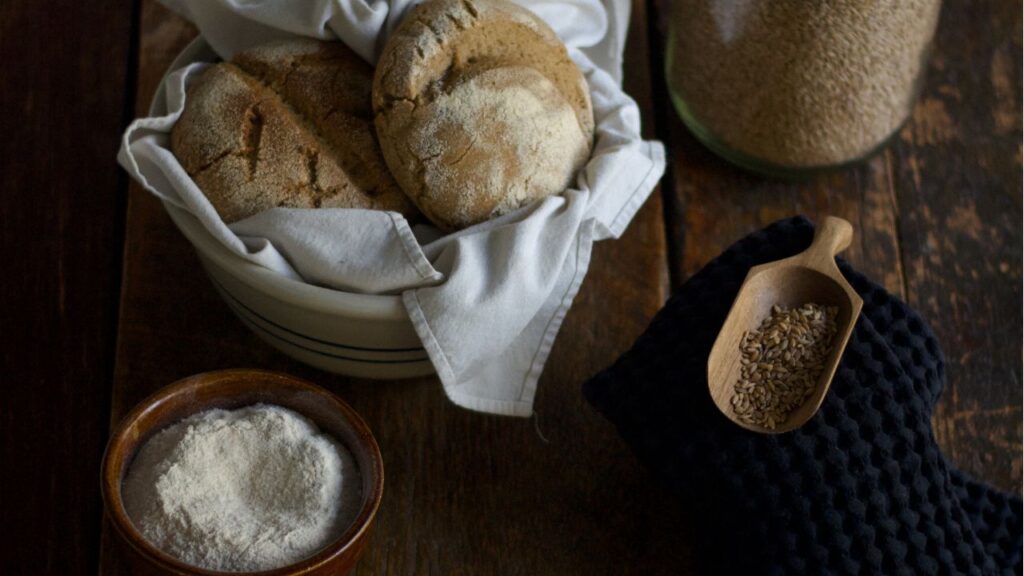
Want to bake with kamut? Or maybe you call it khorasan? Yes, you can bake amazing things with the grain with the funny names, no matter what you call it.
Bake with Kamut Flour
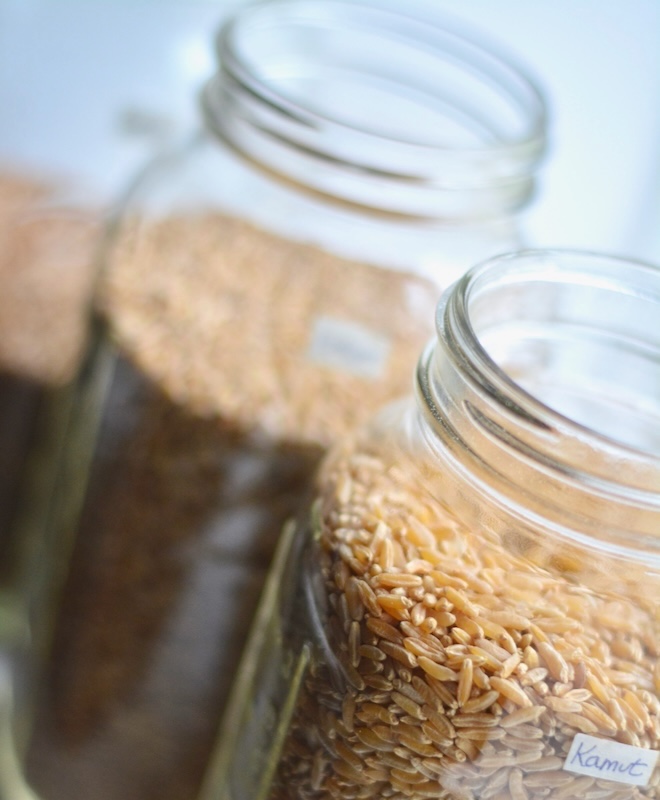
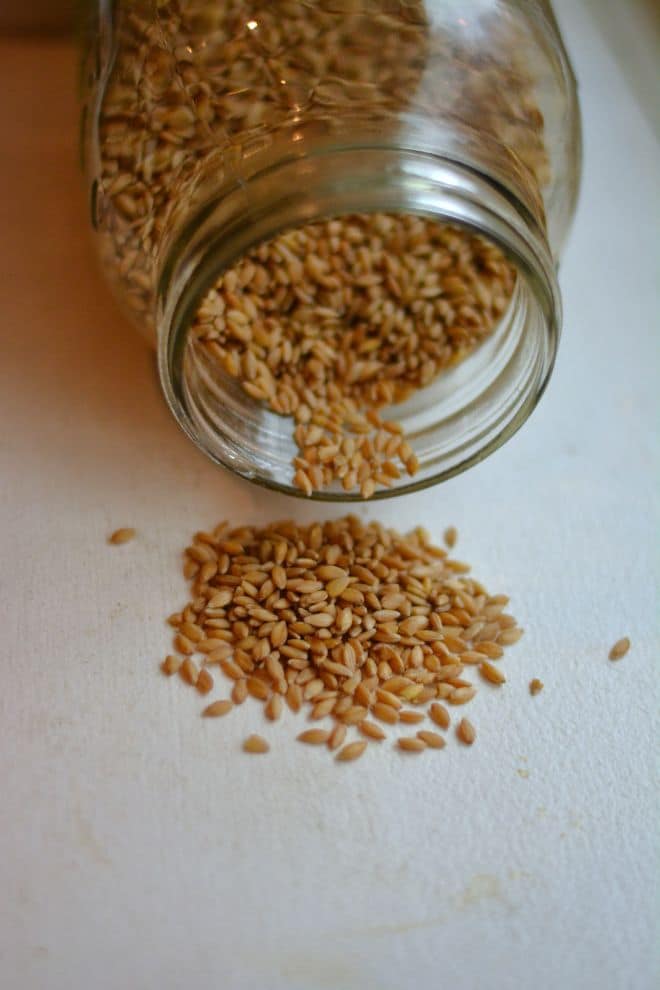
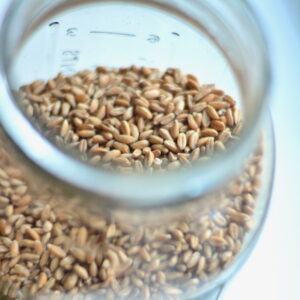
These are the Kamut wheat berries I use.
Don’t have a grain mill yet? Here’s my Guide to Choosing a Mill & use this Kamut flour in the meantime.
Given that kamut is one of my go-to grains to mill into flour in my grain mill, I love talking about how to bake with kamut flour. Although there are lots of ancient grain flours to choose from, kamut happens to be one of my favorites due to it’s nutritional value, flavor, and all-purpose nature.
Making bread? Kamut will work.
Baking brownies? Grab kamut.
Breading chicken? Kamut will add a delicious buttery flavor.
Making crackers? Great, kamut makes them better.
Crafting a tender pastry? Believe it or not, kamut is great for that.
Are kamut and khorasan the same thing?
Yes, this grain has two names and I’ll explain why.
This ancient grain was originally called “khorasan,” named after the region where it’s thought to originate from.
Kamut? That name was given to the khorasan grain later. Kamut is actually a branded name given to khorasan. Grains sold under the name “kamut” are monitored by the Kamut brand, and have to follow strict guidelines to qualify for the trademark. The upside to purchasing grains labeled “kamut” is that they’re subjected to strict standards, meaning you know you’ll get high-quality grains.
The downside? You’re paying for the trademark. Kamut grains often cost more than khorasan given that the farmers pay for trademark rights.
Essentially, kamut is the “name brand” version of khorasan grain. Think of it like saying “Kleenex” (kamut) instead of simply “tissues” (khorasan).
Kamut vs spelt
Both ancient grains, spelt and kamut, have similar nutritional profiles. They’re both higher in protein than most modern wheat, and they’re both full of fiber, vitamins, and minerals.
The key difference in the grains is the flavor. I find spelt to be just a little earthier and maybe a little more bitter than kamut. Kamut’s flavor profile is sweet, buttery, and nutty.
Choose spelt for stronger, slightly wheat-ier flavor in breads and baked goods, or if you’re making more “rustic” style bread.
Use kamut if you’re looking for sweeter, more mild flavor.
Einkorn and kamut (khorasan)–what’s the difference?
Let’s compare the infamous einkorn to khorasan…
Both einkorn and khorasan are ancient grains with a sweet, buttery, mild flavor. They’re both pretty good at being all-purpose grains and can be used for a wide variety of baked goods, breads, and pastries.
There are debates about which grain is older and which originated first. I enjoy using both, and try not to get caught up in the historical assumptions too much. They’re both great, tasty, nutritious grains, m’kay?
One key difference in einkorn and kamut (khorasan) is the size of the wheat berry. Einkorn grains are smaller in size (compared to modern wheat), while khorasan wheat berries are actually larger than modern wheat berries. This impacts your baking, given that einkorn mills into a very fine, powdery flour (because it starts off smaller it’s easier for your grain mill to grind up super fine), whereas kamut mills into a slightly coarser flour, no matter how finely you try to mill it.
Benefits of kamut flour
So why bake with kamut flour?
- For the flavor
- For nutrition
- For food security
- For it’s all-purpose nature
- To preserve history
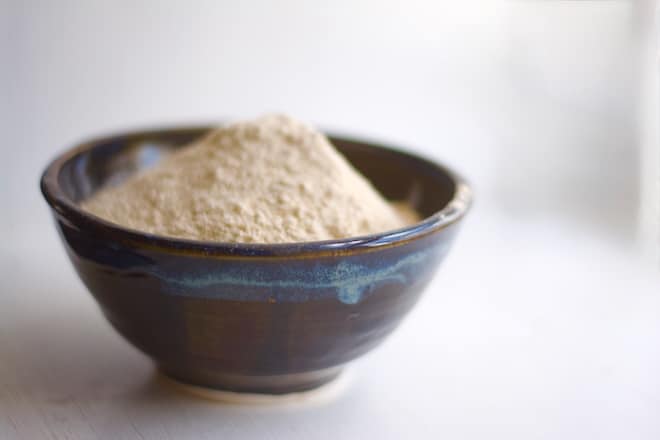
Kamut flour is hard to beat for a number of reasons, including the ones listed above. I love using khorasan knowing I’m milling the same grains that folks have turned into flour for thousands of years… without Big Ag getting involved and hybridizing the grains. Because they haven’t been hybridized, ancient grains are always going to pack more nutrition into every bite.
Bonus, the buttery flavor of kamut flour is unreal.
How to store kamut wheat berries
With full knowledge that you might call me crazy, I’ll admit that I currently have 50 pounds of Khorasan wheat berries in my grain storage (aka buckets in my basement). I’m not a preper, but I like knowing I have a lot of the best flour on hand if things go south, or even just if prices rise. Plus, wheat berries can last for thousands of years (crazy, but true).
If you’re thinking of stocking up on Kamut berries, here are a few tips to keep in mind:
- Make sure you’re sourcing from an organic, regenerative farm if possible. These are amazing.
- Read up on these Tips for Storing Wheat Berries.
- And no matter what Never Freeze Your Wheat Berries. Here’s why.
How to use kamut flour in baking
Given its sweet, nutty, buttery flavor, kamut flour is great for baking. Kamut flour (even fresh milled) hydrates similarly to “regular” all-purpose flour, so minimal changes are needed. (More here on how to use fresh flour in any recipe.)
To use kamut flour in baked goods: simply swap kamut for all-purpose flour at a 1:1 ratio. Just to be safe, add slightly less flour than your recipe calls for, let the dough autolyze a little (soak the flour and liquid ingredients before adding the rest) then add the rest of your flour if needed after a 10-minute rest.
To use kamut flour in bread: use at a 1:1 ratio to bread flour, and add 1 tablespoon of vital wheat gluten per cup of flour used. Knead like usual, but keep a close eye as you knead and make sure you don’t over knead kamut dough, as the gluten is more fragile than bread dough made with modern wheat. For best results, try some of the enrichments I describe here, like a tangzhong: How to Use Fresh Flour in Any Recipe
To use kamut flour in pastries: similar to baked goods in general, but if you’re using fresh milled kamut flour, make sure you allow the flour to cool down (don’t be afraid to stick it in the freezer for a few minutes!) before adding butter in things like biscuits, puff pastries, croissant dough, pie crusts, or scones. If you struggle with getting the texture you want, try: 70% soft white flour, 20% kamut flour and 10% barley flour.
To use kamut flour in pasta: given that kamut is similar to durum (the “pasta” flour), it’s great for making pasta. Use in any homemade pasta recipe, 1:1 substitute for all-purpose or durum flour. Just add a little less flour at first, then add more later if needed.
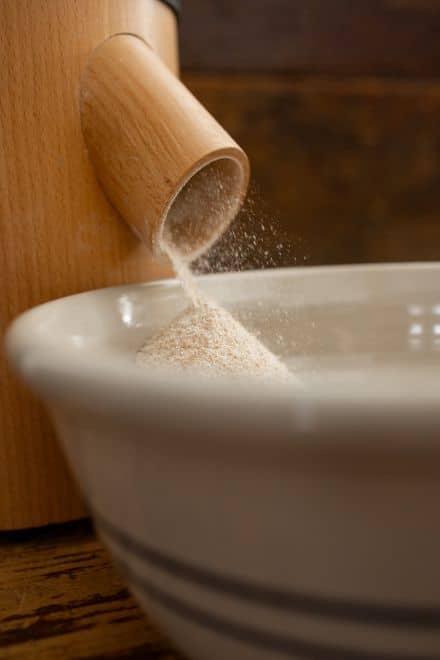
Kamut (khorasan) baking recipes
Khorasan flour can be used in so many recipes.
- Pasta
- Brownies/cookies
- Bread/rolls
- Cinnamon rolls
- Biscuits/scones
- Pastries
- Pie crust/tarts
- Muffins
- Pancakes/waffles
In almost every recipe, kamut can simply replace all-purpose flour cup-for-cup. You might find you need just slightly less kamut flour, though, so add it slowly to your recipes. And you’ll want to understand a little bit about natural enhancers and autolysing your dough. Follow my on instagram for lots of tutorials and fresh flour encouragement, and grab my free tips right here.
If you’re serious about making the best, most nutritious food–easily and deliciously–for your family use code SOULYRESTED to save (you can even stack the code if there is a current sale going on!) and dive into Fresh Flour University.

Milling khorasan (kamut) into fresh milled flour
If you’re like me, you want to get the most nutrition as possible out of the ingredients you’re eating.
In order to eat the most nutritious flour possible, you should mill your own.
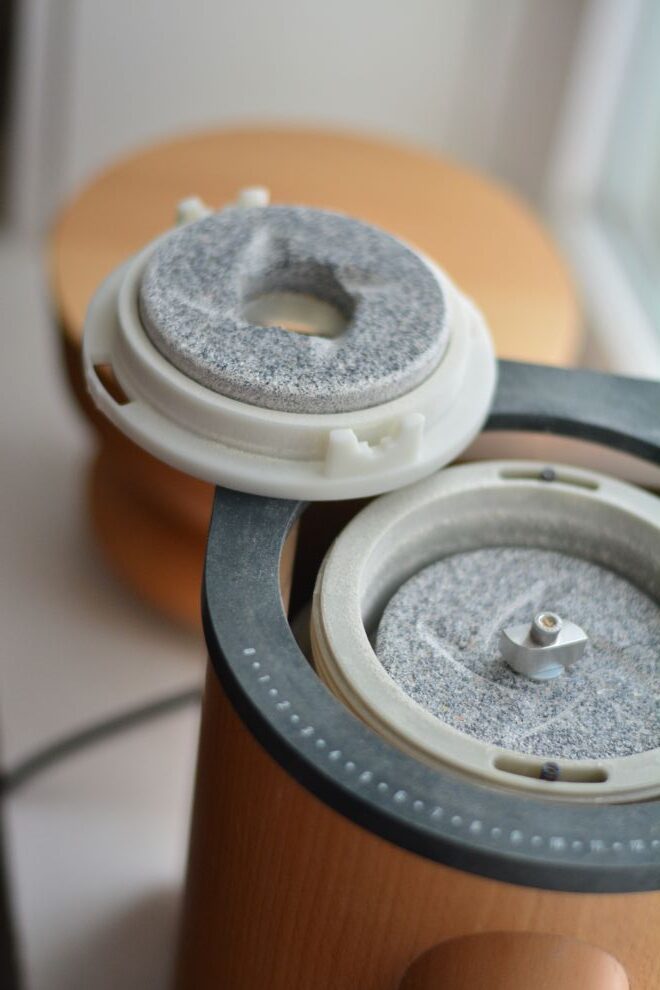
To mill kamut flour at home, all you’ll need are kamut whole wheat berries and a grain mill. It’s that simple!
Milling your own kamut flour allows you to preserve 100% of the nutrition found in the whole wheat kernel. Commercial flour manufacturers remove all the good stuff! (The bran + germ, where all the healthy fats and nutrients are!) Not to mention, flour was never designed to be a shelf-stable food. It naturally degrades over time, and milling your own flour allows you to use it right away, when it’s freshest.
Making bread with kamut
Khorasan/kamut flour makes amazing, flavorful bread if you know just a few, simple tips.
Since it is an ancient grain, the gluten that develops through kamut flour is fragile. You can and should still knead kamut bread dough, just take it a little easier than you usually would.
Secondly, consider adding vital wheat gluten to your bread recipes when you’re using kamut flour. It will give your ancient grain bread a little “oomph” that it might need to rise well. If you’re new to making kamut bread or fresh milled flour bread, use 1 tablespoon of vital wheat gluten per cup of flour.
Finally, you might find that bread made with kamut flour rises quickly. Keep a close eye on rise times to prevent over-proofing, and, therefore fallen bread.
The poke test for fresh flour bread
To know when your fresh flour dough is well proofed, use the Poke Test:
Lightly press your finger into your rising dough to test the gluten formation.
Dough’s response Rise time
Springs back slowly & partially DONE
Springs back instantly with no indent INCOMPLETE
Holds indent permanently OVERPROOFED
Substituting kamut flour in place of all-purpose flour
Given kamut flour’s all-purpose nature, you can simply substitute cup-for-cup with all-purpose or bread flour.

How to use kamut/khorasan in any recipe
Use kamut flour in almost any recipe that calls for all-purpose or bread flour. Given that it’s an ancient grain, it might behave slightly differently (kamut hydrates a little slower than conventional flour does), but differences are slight and often not noticeable at all.
Ways to use kamut wheat berries
If you’re in possession of khorasan wheat berries, you might be wondering how else you can use them. Other than milling them into beautiful, golden flour, that is. Here are some of my favorite ways to use kamut berries (well, really any kind of wheat berries, to be honest):
- Flaking them into “rolled oats” (learn how to flake any grain here)
- Sprouting them as a nutritious snack, salad topper, or nutritious smoothie add-in
- Cook them and use in place of rice
Some of My Favorite Ancient & Heritage Grains
The Best Grain Mills
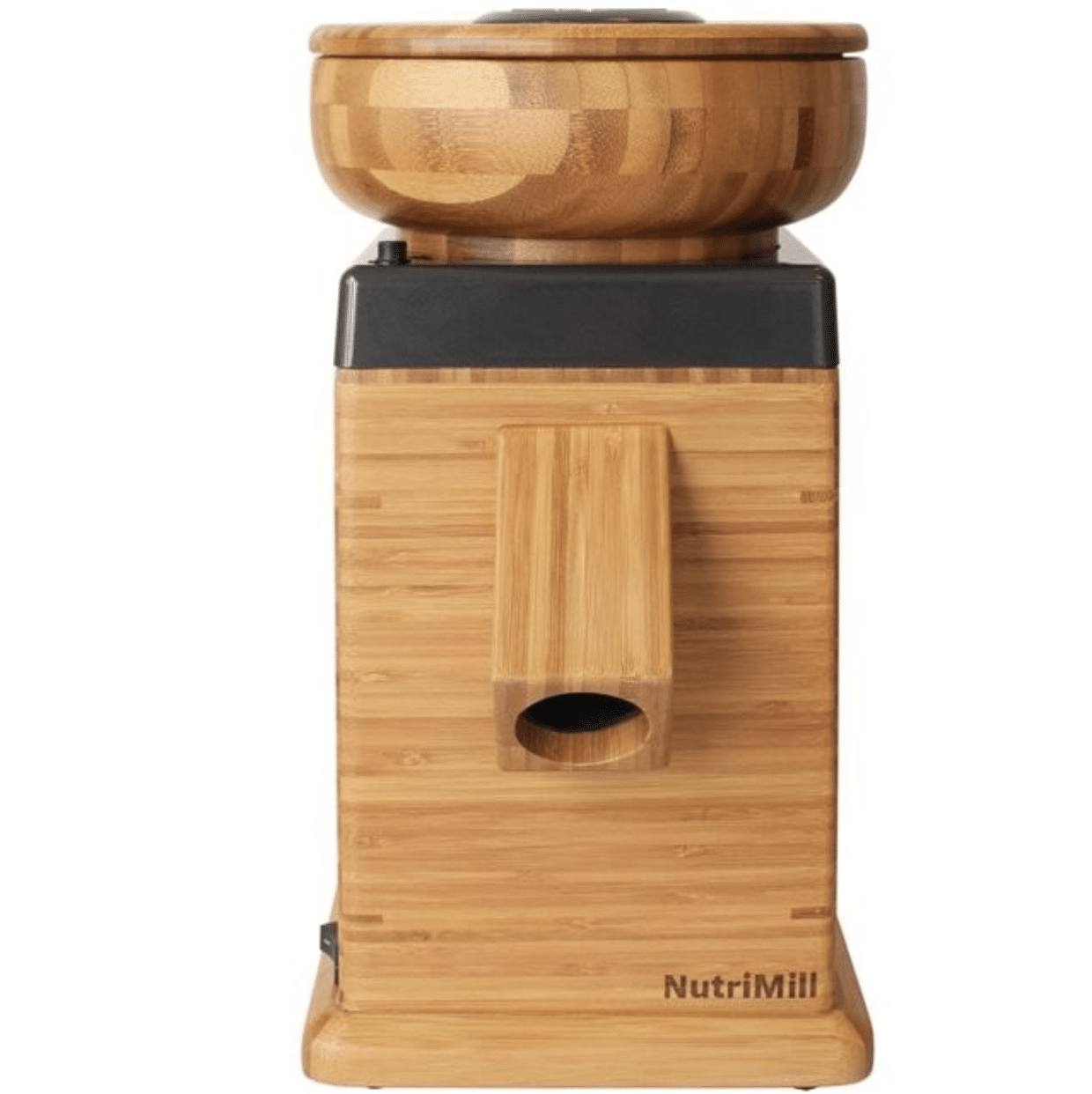
The best grain mill for your family might be different than mine, so I created this Guide to Choosing a Grain Mill to walk you through 6 questions to ask to help you decide the best grain mill for your family.


I just learned so much! Can’t wait to try, thank you!
Thank you for all the information you have given us!!!
We are learning soooo much!!! Thanks Bunches!!!
Thank you so much for your post. It’s so hard to find good information on Kamut berries and Kamut flour. Do you know what the specific differences nutritionally are between using freshly milled Kamut compared to buying Kamut flour?
I don’t know the detailed specifics… there is definite nutrient loss right after milling, but months-old fresh flour is still MUCH more nutrient dense than commercial flour AND it’s 100% real food, with zero synthetic “enhancements” or enhancements.
I’m gluten free can I eat Karasan wheat
gluten SENSITIVE people often find they are able to eat all the heritage and ancient grains, because they have a much lower protein structure (what makes the gluten form) than modern wheats, but if you have celiac disease, no. Khorasan DOES have some gluten potential
This does not sound like something I want to try. Maybe when I’m very confident with milling and adjusting with ingredients.