
Last Updated on February 11, 2026 by Michelle
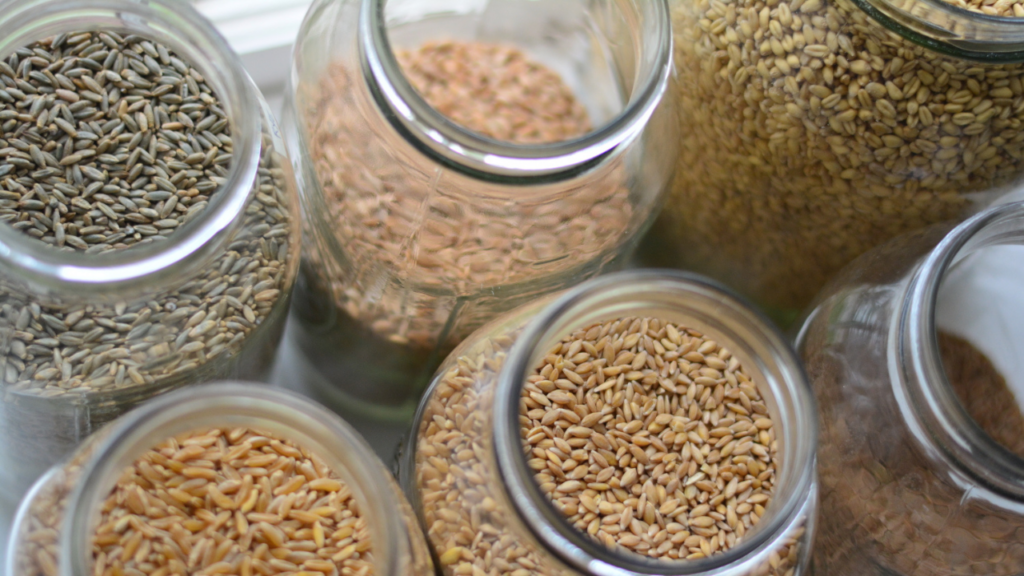
Wheat berries can be confusing. Knowing what wheat berries to use for every baking project will eliminate overwhelm. And, believe it or not, it will also help your breads, cakes, pastries, and anything you make with fresh milled flour turn out even better.
I know you’re eager to get baking, so let’s dive in…
Which wheat berries to use
With so many types of wheat berries out there, how do you know which ones to use? Keep scrolling, and by the end of this post you’ll be a wheat berry professional.
Fluffy cakes? Check.
Chewy cookies? In the bag.
Fluffy bread? Done.
Speaking of bread…
What wheat berries to use for bread?
The best wheat berries to make bread with are generally hard white and hard red. These grains have the highest gluten potential, which results in great bread. Keep in mind that within the category of hard white wheat and hard red wheat, there are different kinds.
There are modern breeds of hard white and red (most common), and there are heritage breeds of these types of grains, as well. Heritage grains are great for making sure you’re getting unhybridized, nutrient-dense grains. My favorite breeds of heritage hard red wheat are Rouge De Bordeaux and Turkey Red.
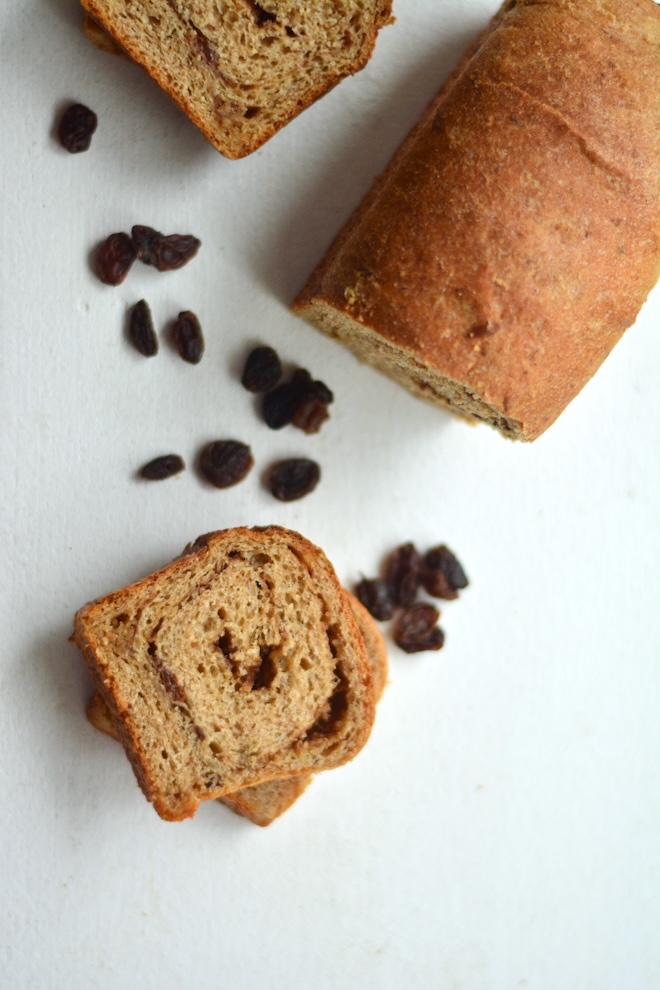
Other grains that can be used to make bread are Einkorn, Khorasan (Kamut), Spelt, Rye, and Durum. All of these grains benefit from adding some vital wheat gluten to your bread dough to improve elasticity and gluten.
Note: never use soft wheat berries for bread. It won’t develop gluten, which will result in very dense bread.
Which wheat berries should I use for sourdough?
Just like with bread, the most common and practical wheat berries to make sourdough with are hard red wheat berries and hard white wheat berries.
Other grains can be used to make sourdough (like Einkorn, Khorasan and Spelt), but your bread won’t rise quite as well. Modern wheat varieties like hard white wheat are bred to develop strong gluten, and therefore make the best bread.
Any of these wheat berries can be used to make sourdough:
- Hard red wheat (either modern or heritage)
- Hard white wheat
- Khorasan/Kamut*
- Einkorn*
- Spelt
- Rye
*For best results, consider adding Vital Wheat Gluten for a “boost.”
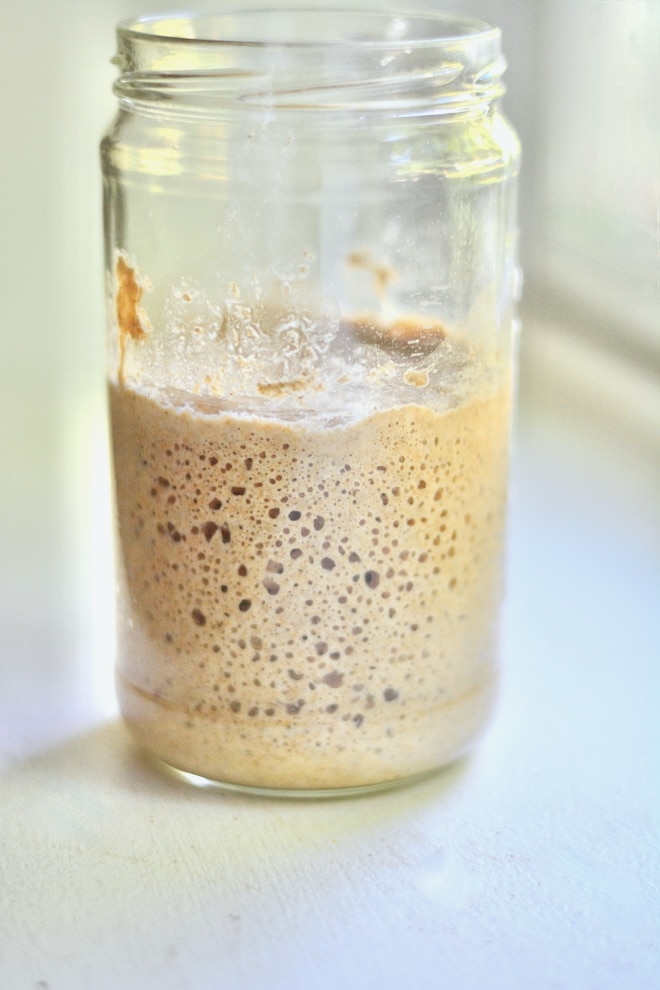
What flour should I feed my sourdough starter?
If you’re using fresh milled flour to feed your sourdough starter, you can use a number of different wheat berries.
My personal favorite “sourdough starter feeding” grain is Rye. But other great options are hard white/red, Einkorn, Spelt, and Khorasan.
If you’re struggling with feeding your sourdough starter fresh flour, learn everything you need to know about sourdough and fresh flour.
Which wheat berries are best to make cake?
Soft wheat berries and ancient grains are the best option for cake. Don’t try to use hard wheat berries, because that will lead to a dense and gummy end result.
My favorite wheat berries to make cake with are Einkorn and Barley. Both of these grains mill into a very soft, fine flour, which improves the texture of your cakes.
But a number of wheat berries can be used to make cake:
*Khorasan isn’t my top choice in delicate baked goods, because it tends to be a courser flour due to the large size of the berries.
What wheat berries to use for cookies and brownies
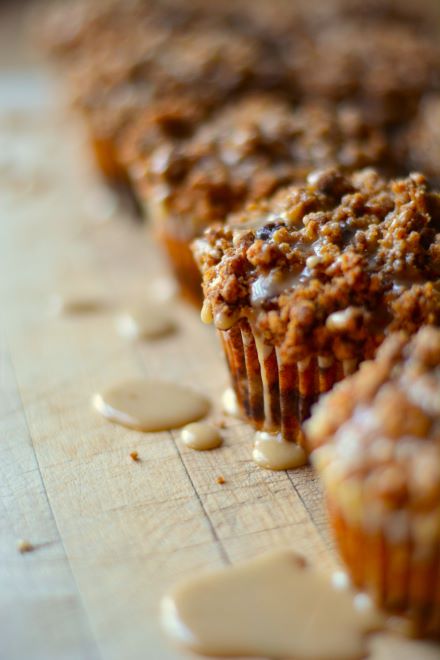
In my experience, almost any wheat berry can be used to make great cookies and brownies. My top choice for cookies is Barley, and I reach for Rye or Black Barley when I’m making brownies. Contrary to popular opinion, hard white and hard red wheat berries can also make fantastic cookies. In fact, I’d use a hard white wheat over a soft wheat in my cookie dough any day.
The list of wheat berries you can use to make cookies and brownies is rather exhaustive:
- Ancient grains like Einkorn, Khorasan, and Emmer/Farro
- Rye
- Hard white and hard red
- Soft white
- Barley (choose un-hulled for maximum nutrition, never pearled)
- Spelt
- Sorghum (gluten-free on it’s own, for best texture use 50/50 with another grain)
Best wheat berries to use for pie crust and other pastries
For flaky and delicate pie crusts and pastries, choose a soft wheat with low gluten potential that mills finely. For example, Einkorn mills into a finer flour than Khorasan does, so I’d choose Einkorn over Khorasan for pastries.
Best options for making pie crust and pastries include; soft white, Einkorn, Barley, and Spelt.
Other options are Khorasan, Rye, and Emmer/farro.

Which wheat berries make the best pasta?
Traditionally pasta is made with Durum. Once ground into course flour, Durum wheat is then simply called “semolina.” However, Khorasan/Kamut are in the same family as Durum, and therefore have many similarities. Both Durum and Khorasan are great for making hearty pasta with an excellent “chew” factor.
That being said, almost any grain can be used to make pasta, including hard and soft wheat, Einkorn, Spelt, and so on.
What type of fresh flour to use for banana bread and quick bread?
My go-to banana bread wheat berries are Spelt and Barley. But almost any wheat berry can be turned into delicious quick bread.
You can also use soft white wheat berries, Einkorn, Khorasan/Kamut, or Emmer/Farro.
Where to buy whole wheat berries
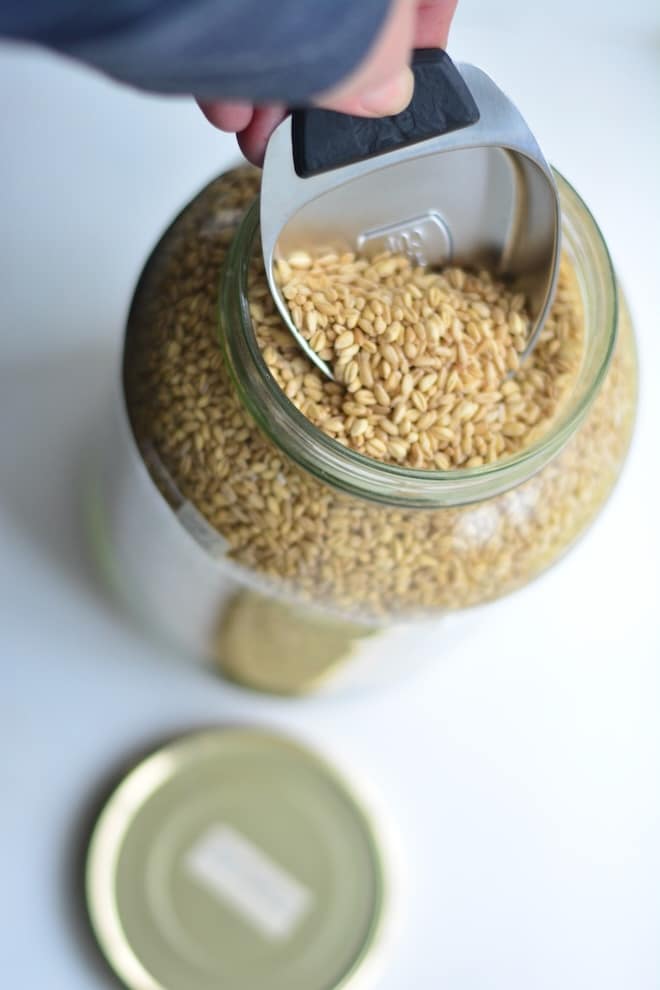
There are lots of options when you’re looking to buy wheat berries.
First, you can check your local bulk and natural food stores. When I visited Arizona, I found that WinCo foods has bulk wheat berries. Natural Grocer has some, and some Whole Foods stock wheat berries in their bulk bins.
You can order some types of wheat berries from Amazon. If you go this route, do be careful to make sure you’re sourcing from reputable brands, not just random shops selling low-quality grains.
If Azure Standard is your thing, they’re a great place to source standard, bulk grains.
And, finally, my favorite is to order them online. I love this source for ancient grains with free shipping on bulk orders, and I love this source for cool varieties of heritage grains at a great price. Plus, the code “soulyrested” will save you more, even on already-discounted bulk prices.
Should I buy organic wheat berries?
In short, yes. It’s best to source organic wheat berries whenever possible. Non-organic wheat berries tend to be full of glyphosate and other chemicals that we don’t want in our bread and baked goods. Organic wheat berries also tend to be better for the soil, which often means they’re nutritionally superior to conventional wheat berries, as well.
To take it one step further, consider purchasing wheat berries grown not just organically, but regeneratively as well. Both of my favorite wheat berry sources use beyond-organic practices and make it a point to take care of the soil. Better soil –> more nutrient-dense end product.
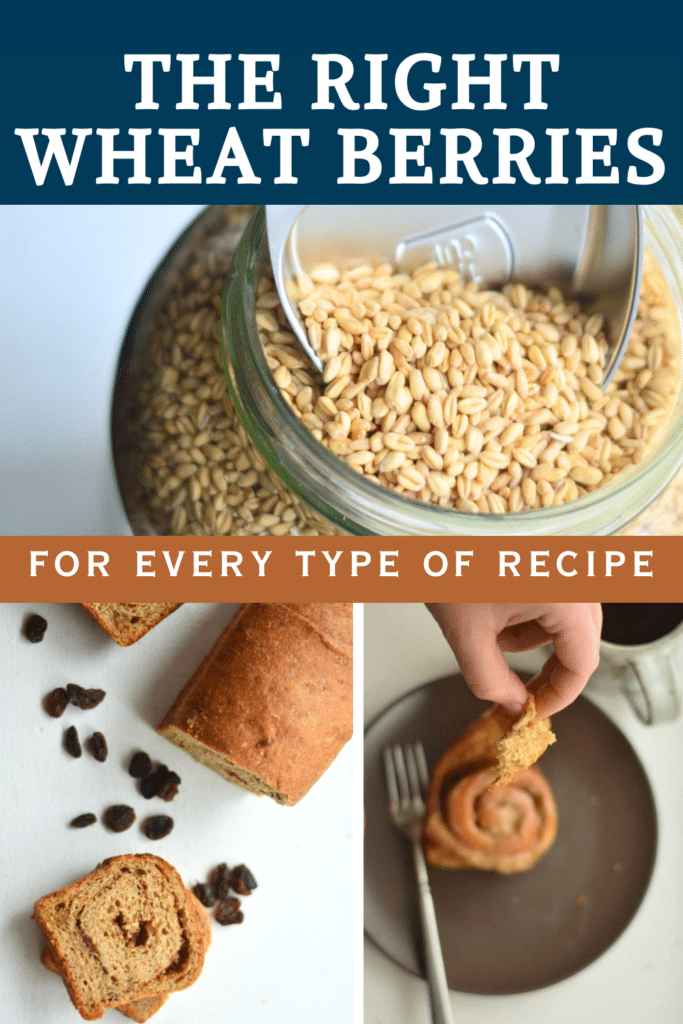
Pin this so you have it when you need it!
More about wheat berries and fresh milled flour:
- Wheat berries: everything you need to know
- Choosing the right wheat berries: A guide
- Kamut chocolate chip cookies
- Fresh milled flour: tips for success
- Grab all my free resources on fresh milled flour (& RECIPES!)
Great info! Thank you 😊
Glad you found the wheat berry info helpful, Patti!
What type of gains (like wheat berries) can I mill for for gluten-free bread, products or baking products if you know. I had purchased different varieties of wheat berries and put them up in long-term storage, but I’ve recently started baking bread again and the subject came up that of mine aren’t organic. They’re probably loaded in chemicals and they would be no good but I have to use them anyway regardless they have to be better than store bread thank you for the information
You can see a list of alternative (gluten-free) grains here: https://soulyrested.com/all-about-alternative-grains/