
Last Updated on March 5, 2026 by Michelle
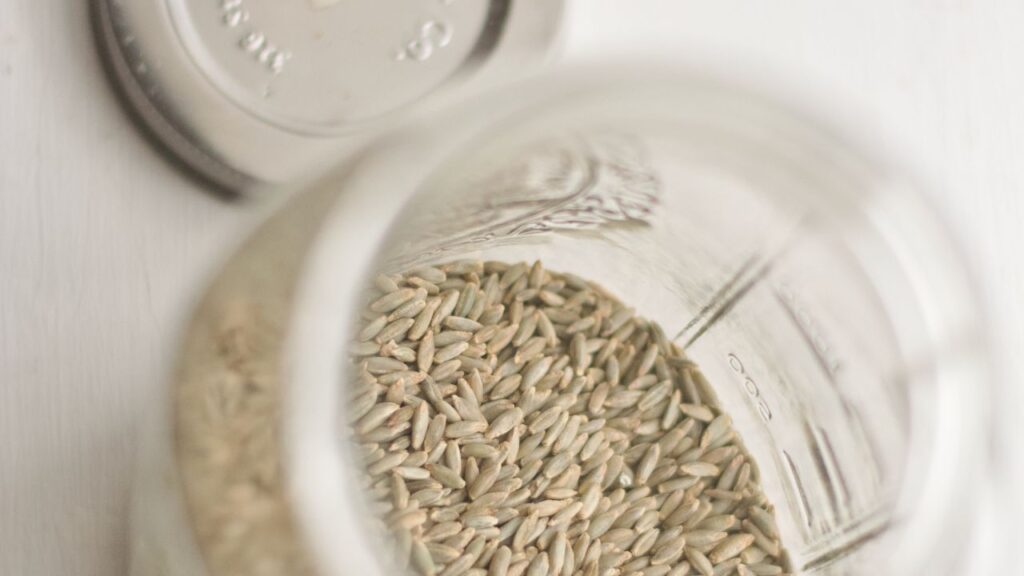
Freezing wheat berries
Once upon a time, I purchased two bags of refined flour whenever I needed to replace my pantry stash.
And I thought that was bulk food storage.
These days, I have 19 large, 5-gallon buckets (and counting) in my basement.
They’re full of wheat berries.
So when I get peppered with questions about storing wheat berries, I’m thrilled to answer them. These are the same questions I had when I started milling my own flour and storing wheat berries.
So, should I freeze wheat berries?
Let’s talk about it.
Storing wheat berries long-term
First, let’s cover the basics.
“Wheat berries” are grains that haven’t been milled yet, and are kept intact in their whole kernel form. Once wheat is milled, that exposes the oils inside the wheat to air, which begins the process of degrading the wheat (flour).
However, kept in their whole form, the bran on the outside of the wheat berries protects the oils inside, meaning wheat berries can last indefinitely. (Seriously, we’ve found grains of wheat in ancient tombs that are still viable!)

What you need to store wheat berries
If you’re looking to store wheat berries long-term, you’re going to need a few things:
- First of all, you need wheat berries to store. Opt for high-quality wheat berries from sources you trust. If you’re curious, I find that roughly 35-40 pounds of wheat berries will fit in each 5-gallon bucket. If you purchase 50-lbs of wheat berries at a time, you’ll need to store the remaining 10-15 pounds of grains in another bucket or other containers.
- 5-gallon buckets. You can find these just about anywhere, from Lowe’s to Tractor Supply, to Amazon. Just make sure they’re food-grade and opaque.
- Good lids. Trust me here, the cheap-o lids you can purchase alongside the 5-gallon buckets just aren’t going to cut it. To protect your grains for long periods of time, opt for high-quality lids with air-tight seals.
Can I store wheat berries in glass containers?
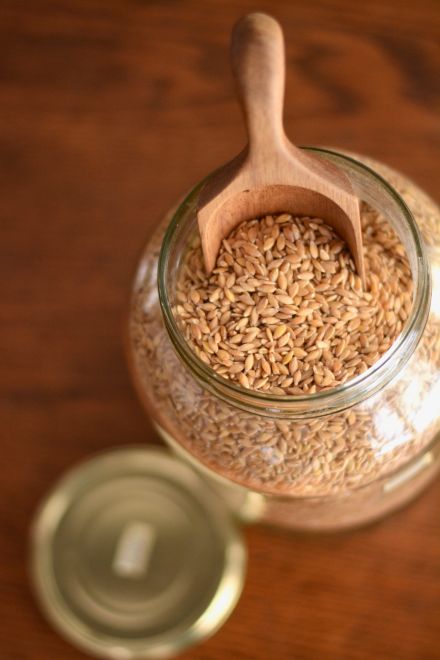
Yes, but don’t plan to store wheat berries long-term in glass. This is because glass allows light in, which breaks down your grains faster. If you’re looking to avoid plastic all together, you can grab stainless steel storage bins, but they’re definitely an investment. 5-gallon buckets it is for me and my grains.
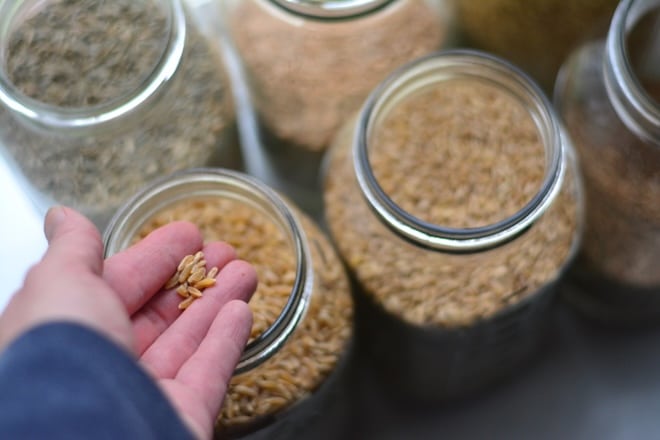
My wheat berry storage system is simple: I store all of my bulk grains in my basement, in 5-gallon buckets with sealed lids. I also store a glass jar of each type of grain upstairs in my pantry, in smaller quantities that get used first and more quickly.
Does freezing wheat berries kill bugs?
Technically, yes. Freezing wheat berries does kill most bugs, larvae, or eggs that might be in your wheat berries. However, there are some considerations…
First, you’ll need to make sure your wheat berries are kept below 0 degrees F for at least 3-7 days. Anything less and you very well might be left with cold, damp wheat berries and also still have bugs. Keep in mind that freezing in thicker layers (think 50-lb bag of wheat berries) will meal you’ll need even more time to make sure the middle of the bag of wheat reaches below 0 for at least 3 days.
Second, ask yourself why your wheat berries have bugs in the first place. Most wheat berries bought from reputable sources won’t have any issues with bugs. Purchasing cheaper wheat berries to save a few bucks might not be such a great idea if they come with pesky bugs.
(Technically, almost all grains have bugs of some kind. Usually microscopic and a normal part of life, these can grow into outbreaks if farmers don’t maintain the correct environment. I know it’s kind of gross, but it’s true. The goal is to control the bug/larvae population and keep them at the microscopic, non-issue level.)
Thirdly, IF there are bugs or eggs in your grains, freezing will kill them, but it won’t remove them. You’ll still have remnants of bugs, eggs, and anything else they leave behind in the wheat you’re feeding your family.
Freezing wheat berries to make bread
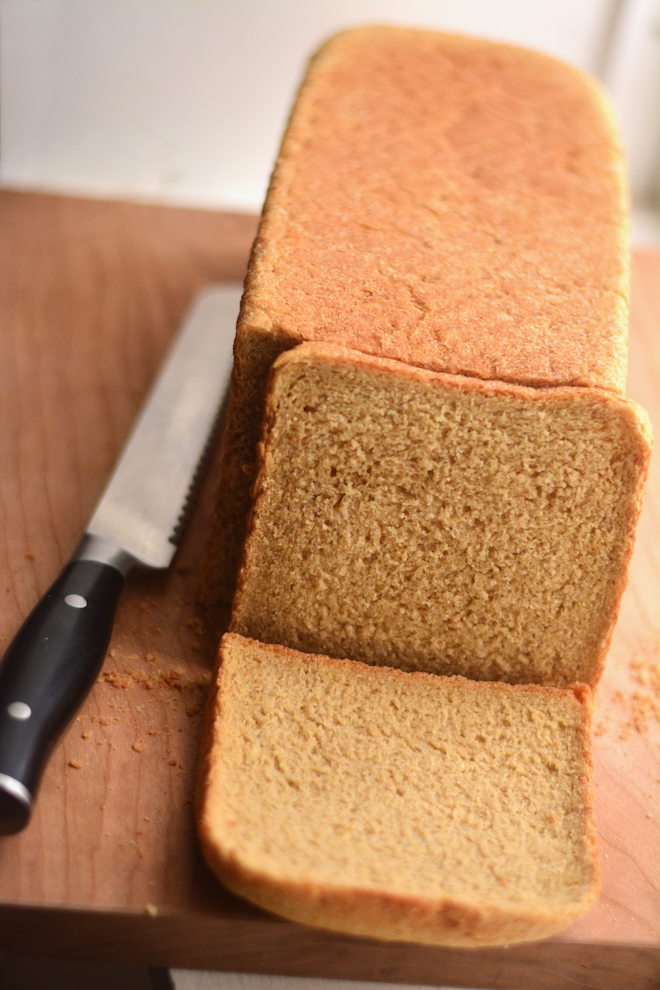
Let’s be real, making bread with fresh flour is already a learning curve.
If you freeze your wheat berries before storing them, there’s a good chance you’re messing with the moisture levels of the grain, which can make bread baking with fresh milled flour even tougher. This study looked at how rapid change in moisture levels impacts wheat, and, as a result, the bread made with that wheat.
Technically, given that gluten forms after flour is introduced to water, freezing your wheat berries shouldn’t impact the gluten structure of your bread too much.
However, introducing moisture (freezing and thawing) your wheat berries can change the balance of moisture in your grains, which can change how those grains mill, what your resulting flour is like, and how your dough hydrates. All of these things will impact how your bread turns out. Best case sicario, you might have inconsistent results. Worst case, your grains will be so impacted that your bread actually doesn’t rise as much.
Not to mention, grains that are frozen/thawed have a chance of harboring mold, mildew, or (funny enough), pests.
Given that I’ve stored grains for over a decade without a single pest issue, I personally just don’t find the risks of freezing wheat berries worth it.
Do farmers freeze wheat berries?
Consider the fact that farmers often store wheat berries in silos and unheated warehouses before packaging and shipping out grains. This means that, technically, grains could have already been frozen before you received them.
The main distinction here is that most (reputable) farmers test and track the moisture levels of grains before they sell them. In order to preserve well, grains should have a moisture level of 13.5% or less. If a farmer probes (tests) grains that are higher moisture than that, they’ll dry the grains until they reach the proper moisture levels.
At home, freezing/thawing wheat berries doesn’t have the same level of control and steps of testing that farmers utilize.
You could easily be eating moldy grains, gum up your grain mill, or change how your bread turns out. All just from freezing your wheat berries.
If you’re curious, this article summarized that freezing temperatures in grain silos didn’t even kill bugs.
Heat, don’t freeze wheat berries
If you’re truly concerned about bugs in your wheat, consider actually heating them instead of freezing them.
You’ll still need to be very careful doing this, as you’re still messing with the moisture levels of your grains. Try heating your grains at a steady 140 degrees F for at least 15 minutes, then allowing them to cool before putting away.
Learn more about the effect of heating grains to kill bugs here.
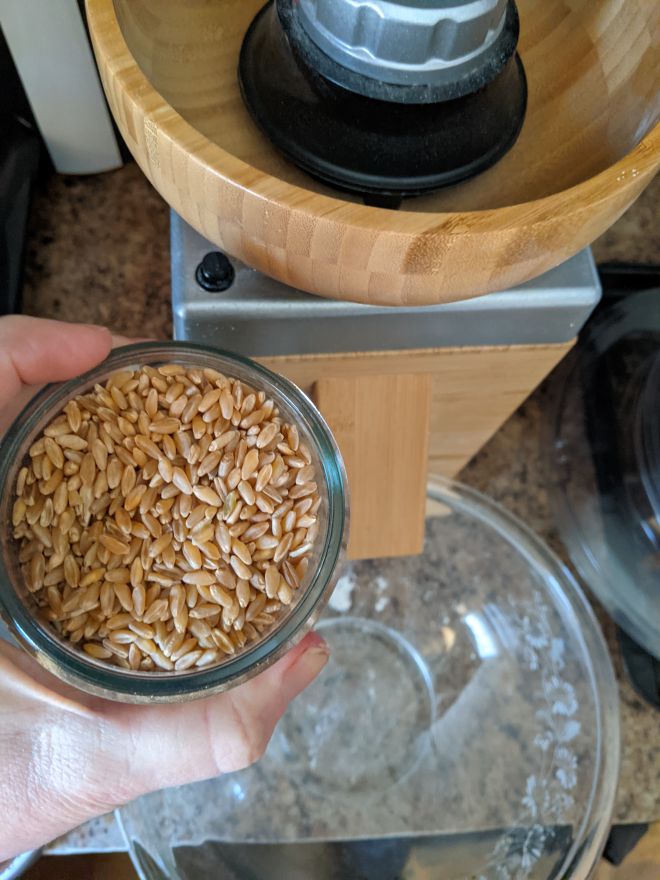
Why I don’t freeze my wheat berries
Obviously, everyone needs to do what they’re comfortable with. But at the end of the day, the risks of freezing wheat berries aren’t worth the reward for me personally. Here’s why.
- I don’t have the freezer space. When I’m purchasing grains, it’s always in 50-lb quantities, and often several 50-lb bags at a time. I simply don’t have the freezer space to hold all of those grains at once.
- I’m concerned about mold growth in damp wheat berries. I don’t trust myself to make sure the grains are fully warmed to room temperature and dried before storing them away.
- I order grains from sources I trust, and I leave the moisture levels of my wheat berries to the experts.
- I don’t want to gum up or damage my pricy mill with possibly too-moist grains. That’s an expensive mistake.
- I’ve never had an issue not freezing them. Not to mention, since my grains are stored in individual buckets with airtight lids, even if I did have some form of “outbreak” it wouldn’t spread far. I’d simply have one bucket of impacted grains to deal with, and I’d move on.



More about wheat berries & fresh milled flour:
- How to store wheat berries 101
- Which wheat berries to use (a simple guide)
- Wheat berries for sourdough bread
- Wheat berries: everything you need to know

What about oxygen absorbers fo grain long term storage and bug control? What’s your opinion?
They can be useful if you’re storing grains in smaller quantities, like Mylar bags. But for large bucket storage, they’re essentially useless since there’s such a large amount of oxygen left in the top space of the bucket, the absorber won’t really do much good.
I get my grain from Azure Standard. I have 3 bins I got from Amazon that claim to be airtight, but I am learning that they may not quite cut it. I recently found a small infestation of grain weevils in one bin. Thankfully only had a small amount left. The others look good. It’s my understanding that this is a reputable source, but I’m guessing even with amazing sourcing, this can sometimes happen. From my research it seems most likely the bugs were present in the grain when purchased. Or do you think it’s possibly my bins were the problem?
Either way is possible, but I’m glad you were able to contain the issue before it got bigger. I’ve personally never had an issue with Azure, but I have heard of folks who have. If you’re looking for alternatives for affordable grains, check my favorites here: https://soulyrested.com/grains-shop/